Undergraduate Projects
Free-Space Optical Monophonic Communication
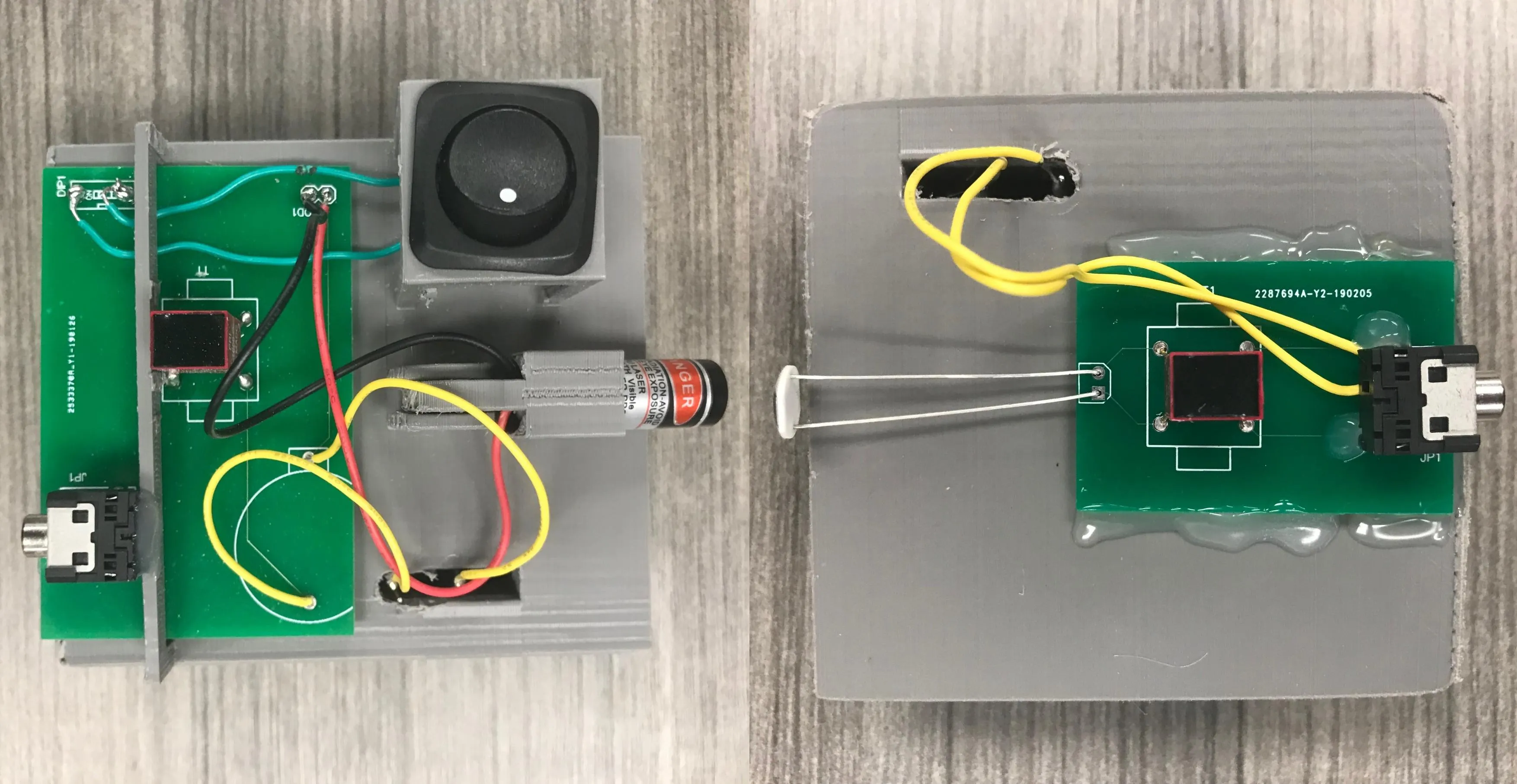
This project creates a free-space optical communication apparatus that demonstrates basic communication technology. The project features: (1) a transmitter that takes an electric audio input and converts it into a light wave for transmission; (2) a receiver that receives the light signal and converts it to an electric audio output.
Free-Space Optical Stereo Communication
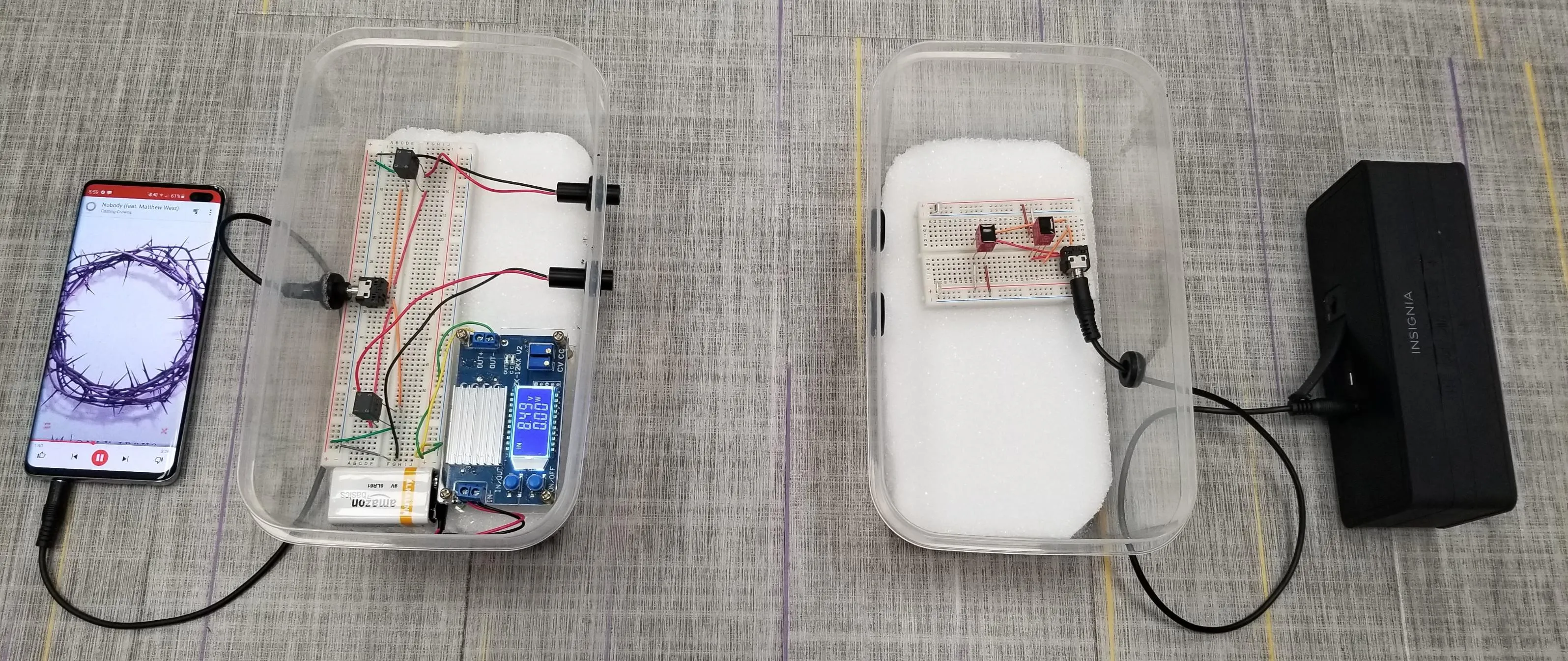
A free-space optical communication apparatus is created to play stereo music. The project is upgraded based on last year's mono-channel apparatus. The transmitter can take both channels of a stereo audio input and transmit them using lasers. The receiver can take both lasers and convert them to audio outputs.
Real-time Remote Monitoring System
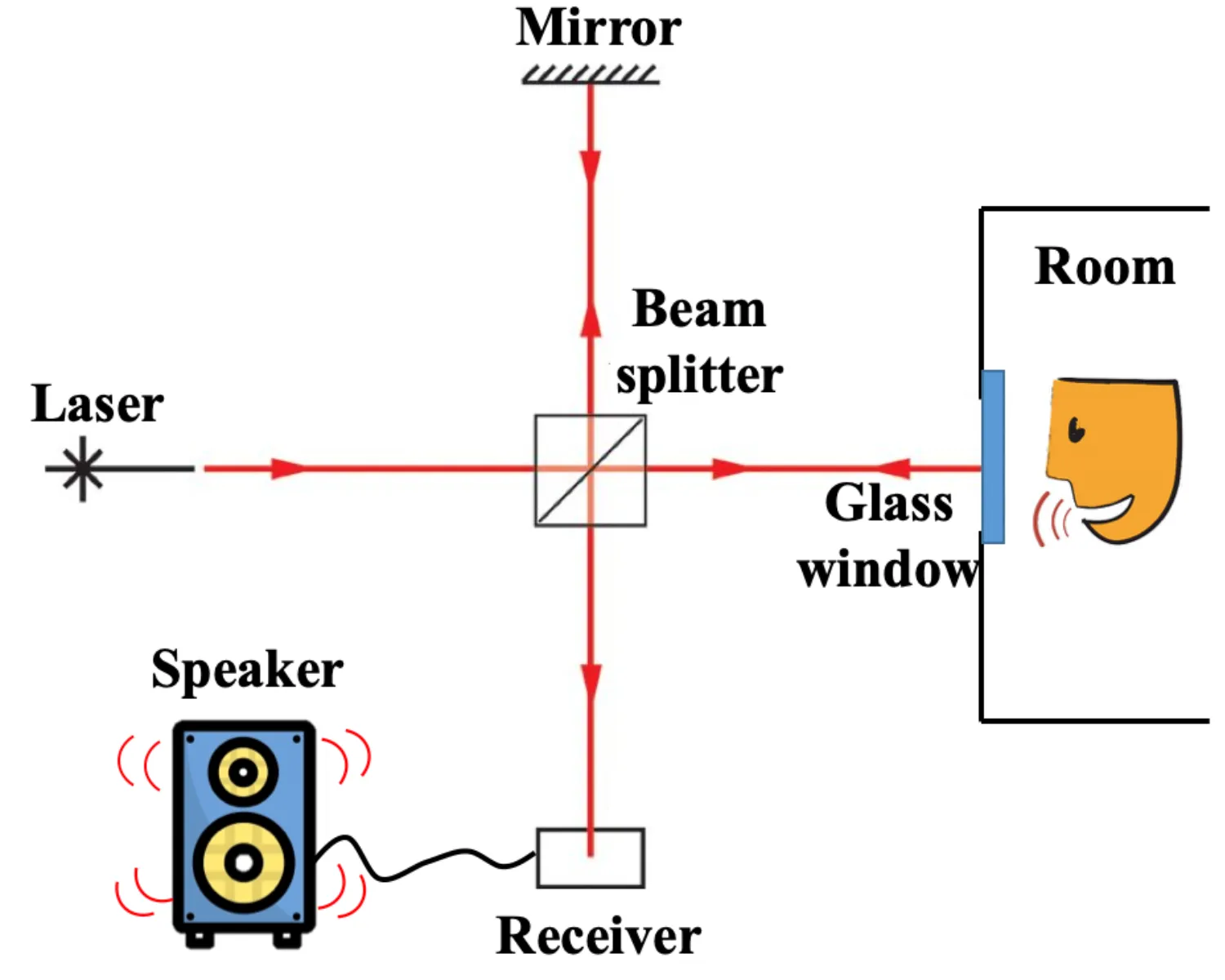
Modulation is one important technique for communication, radar, and remote sensing. In this project, we design a real-time remote monitoring system based on modulation technology using a Michelson interferometer. The dialogue in a room far away can be monitored without setting up the monitoring device in the room.
Digital Communications

Laser Controller
3D Linear Stage
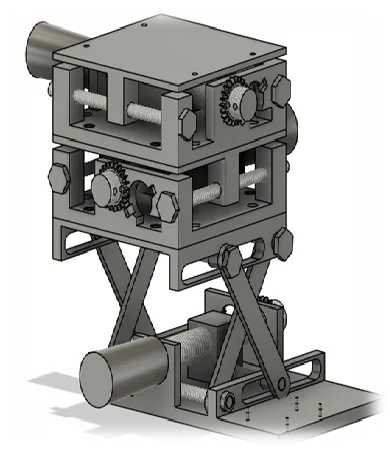
3D Motorized Linear Stages have become a tool in high demand due to their multiple uses in the both medical and engineering fields. Motorized Linear Stages are used to perform procedures that require a high level of accuracy and precision such as in Lasik eye surgery, 3D printing and semiconductor manufacturing. Due to the high market value of linear stages, our group has been tasked with designing and building a 3D Linear Stage that when recreated is affordable, reliable, portable and capable of fulfilling common tasks in engineering labs. The motivation for this project arises for the need to improve on a previous class's free space communication project, where a laser beam requires perfect alignment with a receiver to guarantee the quality of the signal carried by the laser.